Everything You Need To Know About Standing Stairlifts
If you are researching stairlifts near me, you have likely noticed that the vast majority are designed for sitting down. However what if sitting down is the exact movement that causes you pain? Or what if your staircase is simply too narrow to accommodate a traditional chair lift? This is where standing stairlifts – more commonly known in the industry as perching stairlifts – come into play.
What Actually Is A Standing Lift?
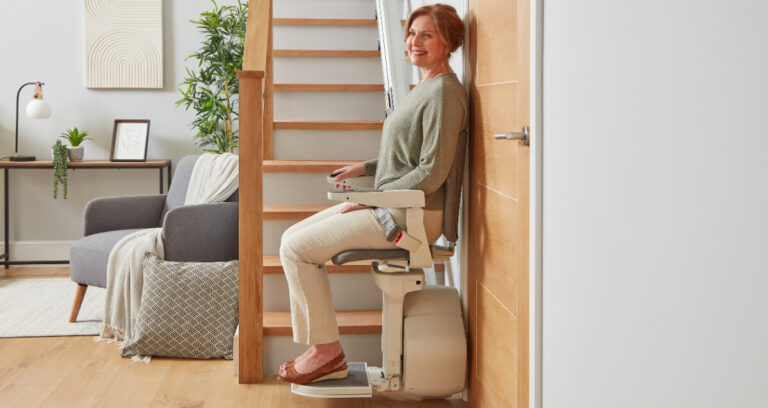
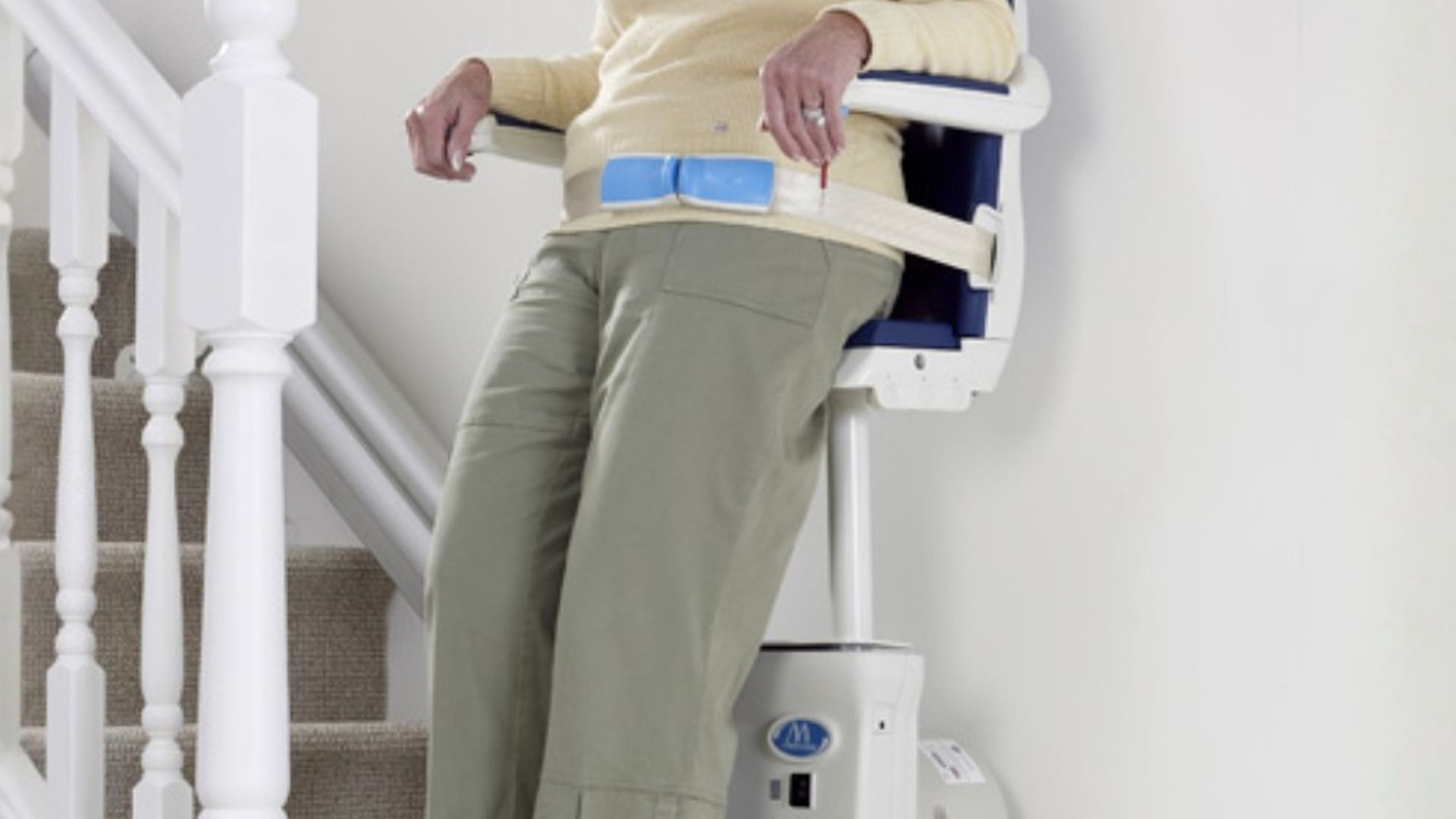
Despite the name, you aren’t actually completely standing on while moving up the stairs. Instead, these lifts use a “perch” seat. The seat is set much higher than a standard chair, allowing you to rest you weight against a shallow, angled ledge while keeping your legs relatively straight. Your knees only need to bend slightly, taking the pressure off.
If you have been searching online, you have likely come across videos of futuristic, ultra-slim vertical step lifts or manual wheeled climbers (like the Norwegian).
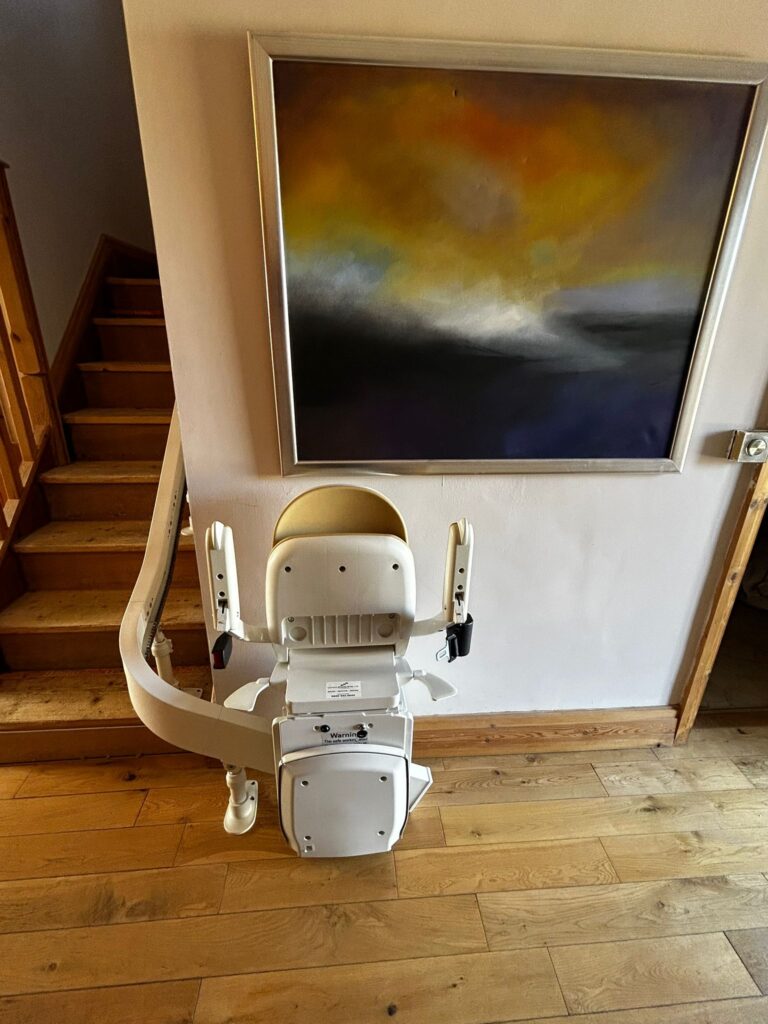
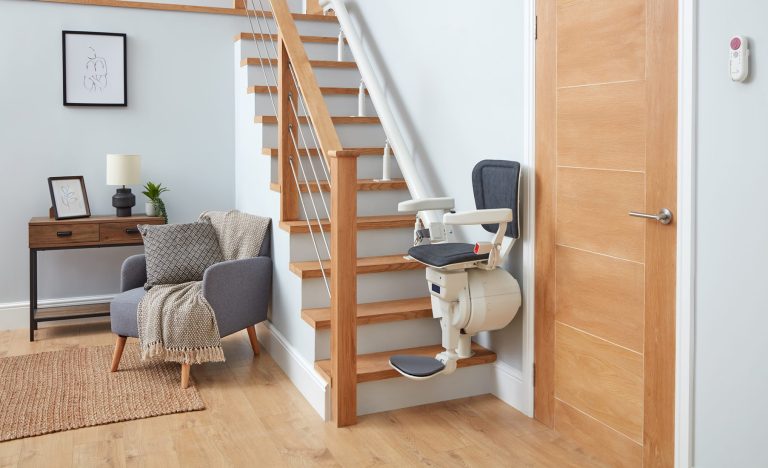
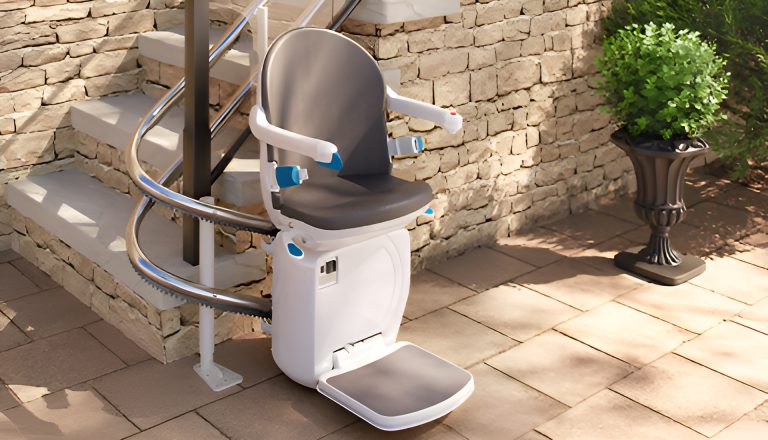
While those look incredibly sleek, they are entirely different products. A true UK domestic standing stairlift runs on a standard motorised rail fixed to your stairs, utilising the specialised perching seat explained above. Here is our perched lift.
Who Are They Designed For?
Perching stairlifts fill a very specific gap in mobility needs. They are highly effective for:
-
Joint Pain and Stiffness: If you have severe osteoarthritis, or you are recovering from a hip or knee replacement, the act of bending your joints to sit down and push yourself back up can be agonising. A perch lift removes that transition entirely.
-
Narrow Hallways: Traditional seated stairlifts require enough clearance so your knees don’t knock against the opposite wall or banister. Because you travel in a semi-upright posture on a perching lift, your footprint is much narrower, making them ideal for tight, traditional British staircases.
Who Should Avoid Them?
Because you are upright, you rely more on your core stability and leg strength than you would in a deep seat. For this reason, perching lifts are not recommended if you experience:
-
Severe balance issues, vertigo, or conditions like Ménière’s disease.
-
Neuromuscular disorders that cause sudden weakness.
-
Sudden drops in blood pressure (orthostatic hypotension) that make you dizzy when upright.
Key Brands in the UK market
Only a few major manufacturers produce dedicated perching models in the UK, but their designs vary slightly to accommodate different physical needs. With over 35 years in the stairlift industry, we carefully select the best models for your needs. That’s why we work closely with Handicare.
Handicare
Handicare offers a dedicated perch seat option across several of their core models, including the 1000, , which is typically the model we recommend to our trusted customers. Their design focus heavily on minimisng the lift’s physical footprint, making them a go-to choice for particularly narrow staircases.
Technical Features and Limitations
Before choosing a perching lift, there are a few practical limitations to keep in mind compared to standard models:
-
Lower Weight Caps: Because your weight bears straight down onto the footplate rather than being distributed across a wide seat frame, weight limits are slightly lower. Most max out around 121kg (approx. 19 stone), though a few variants can reach 136kg (21.5 stone).
-
Strict Safety Regs: Under the updated Machinery Directive, any lift manufactured recently must feature mandatory safety belt detection and interlocking armrests. The lift physically will not budge until you are buckled in and the armrests are locked down.
-
Pace: Expect a smooth, steady pace. UK models are restricted to traveling between 7cm and 12cm per second for safety.