
Recognising the signs your parent may need a stairlift
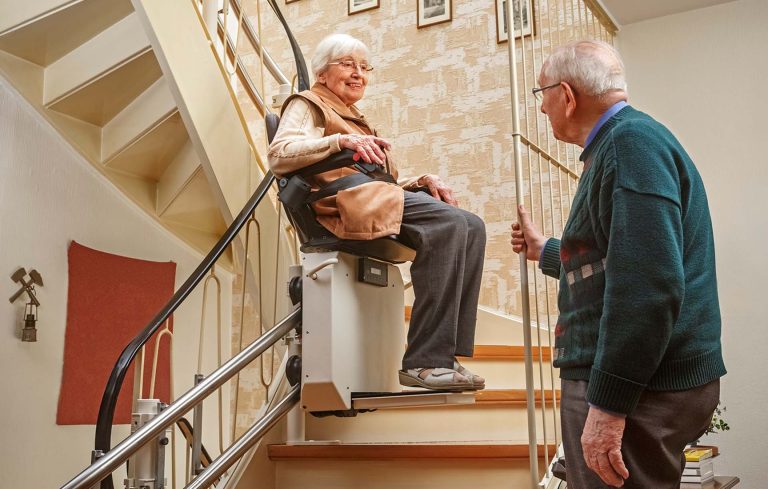
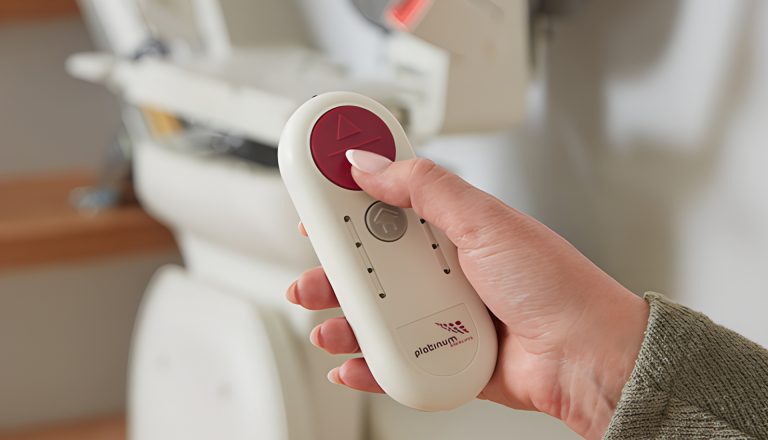
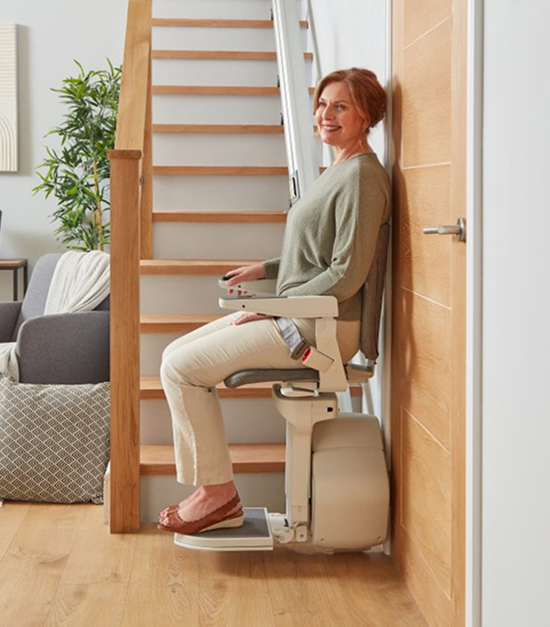
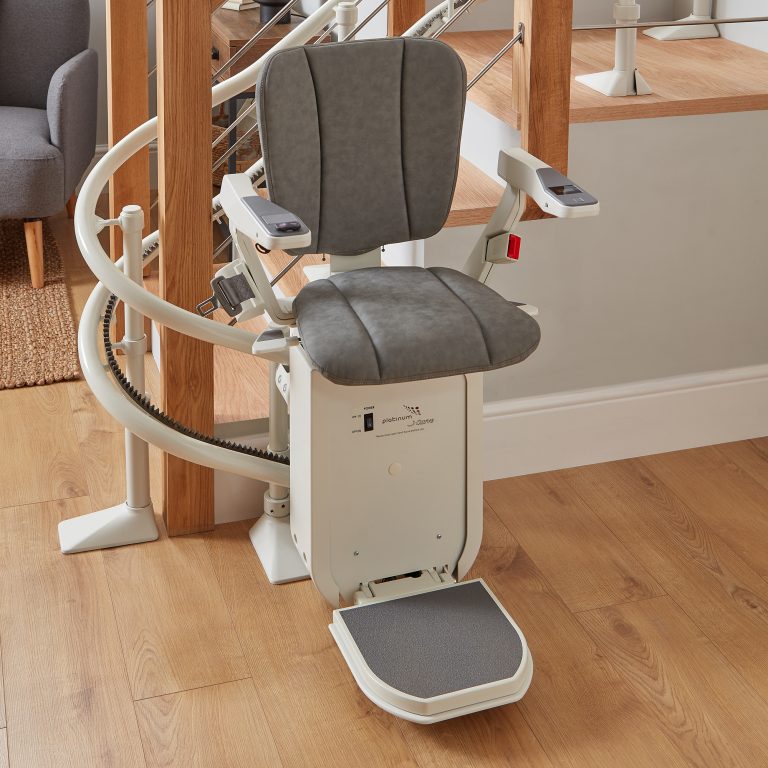
Watching our parents grow older is never easy, but it is a natural part of life. If your mum and dad want to stay in the home they love for as long as possible, making a few practical modifications, such as adding a motorised stair glide, is one of the best ways to ensure their safety and independence.
But how do you know when it’s truly time to act? Below, we break down the key warning signs to look out for during your next family visit.
Supporting Independent Living for a Lifetime
Thanks to healthier lifestyles and medical progress, people across the UK are living longer than ever before, with an average life expectancy exceeding 81 years. However, increased longevity often brings physical challenges that can make navigating a traditional multi-story home incredibly difficult.
Staircases that your parents used to walk up and down without a second thought can eventually become a major source of anxiety if they feel unsteady. If you are starting to worry that their property is no longer as safe or accessible as it needs to be, certain behavioural shifts can signal that it’s time to explore mobility solutions.
At Leodis Stairlifts, with over 35 years experience, we have put together five warning signs:
5 Warning Signs That It’s Time for a Home Adaptation
Bringing up mobility limitations with your family can be incredibly sensitive. However, if you notice any of these five red flags, it might be time to have an honest, caring conversation about home improvements.
1. Staging Items at the Base of the Staircase
Have you noticed laundry piles, books, or toiletries gathering at the bottom of the steps? When older adults start “batching” items to limit the number of trips they take upstairs, it is a classic sign that they find the climb physically exhausting or intimidating.
2. General Unsteadiness and Balance Issues
If your parents seem wobbly when standing or rely heavily on furniture, walls, and handrails to guide themselves around, their risk of a fall is high. For families looking for stairlifts in Leeds or stairlifts in Manchester, we can quickly assess these narrow terraced or suburban stairways to add an immediate layer of protection. We offer next day installation in some cases.
3. Shortness of Breath During Minor Exertion
Walking up an incline is a cardiovascular workout. If a simple trip upstairs leaves your parents visibly winded, exhausted, or needing to sit down immediately afterward, reducing that physical strain will dramatically improve their daily energy and comfort.
4. Chronic Joint Pain and Arthritis
Conditions like osteoarthritis, stiff knees, and chronic back pain turn every single step into a painful ordeal. Even if your parents downplay the discomfort, agonising pain makes missteps much more likely. Installing stairlifts in Sheffield or looking into regional providers for stairlifts in Newcastle can help relieve the daily pressure on aching joints, allowing them to glide between floors effortlessly.
5. Minor Slips, Trips, or Near-Misses
According to UK health statistics, staircases are one of the most dangerous areas in the home, accounting for thousands of severe injuries and hospital visits annually. If your parent has already suffered a minor trip or a near-miss, waiting for a major injury to happen is a massive risk. A proper adaptation provides vital peace of mind – especially when they are home by themselves. A lot of our customers call asking for an urgent survey following a hospital visit and luckily we are geared up to accommodate this specific challenge.
Taking the Next Step
If any of these signs hit close to home, it is a good indicator that a lifestyle adjustment is needed. Acknowledge their desire for freedom, but prioritise their safety!
If you aren’t entirely sure how to approach this delicate topic without making them feel defensive, we have a guide on how to talk to your parents about mobility support as a preventative measure.