How Do Stairlifts Work? A Simple, Helpful Guide for Homeowners
If you’ve been researching stairlifts for yourself or for a family member, it helps to understand how a stairlift actually works. Knowing the basics of stairlifts can make the whole process feel a lot less daunting, plus understanding the difference between straight stairlifts, curved stairlifts, outdoor stairlifts and stairlift rental is super important to know. Below is an easy to follow guide explaining what the key components of a stairlift are, how it’s moved and controlled, what safety features they use and what to expect during everyday use.
The Key Parts of a Stairlift
Although stairlifts come in many different designs and variations, most include the following core components:
- The Rail / Track – the rail is the path that a stairlift follows and travels along and it is fixed to the stairs. Straight stairlifts use a single straight rail and curved stairlifts use a custom-made rail designed to follow any bends or landings.
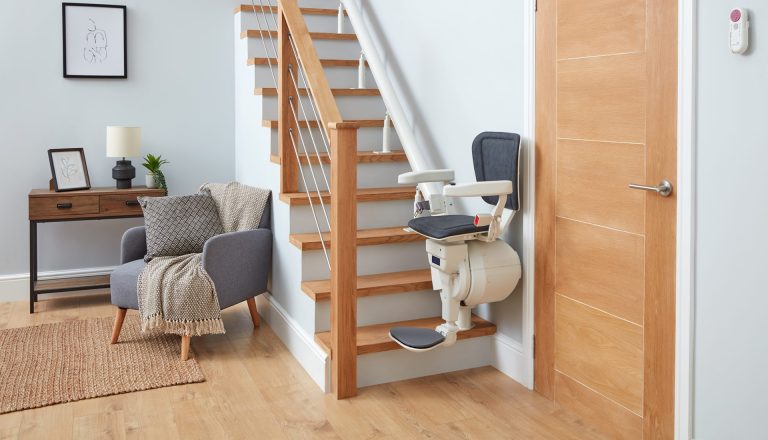
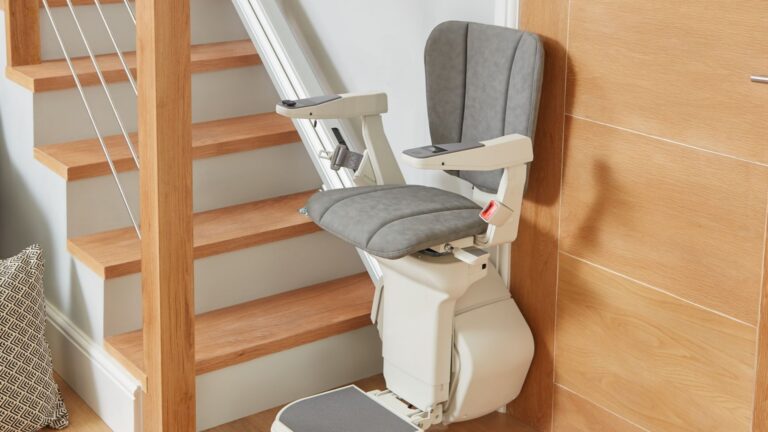
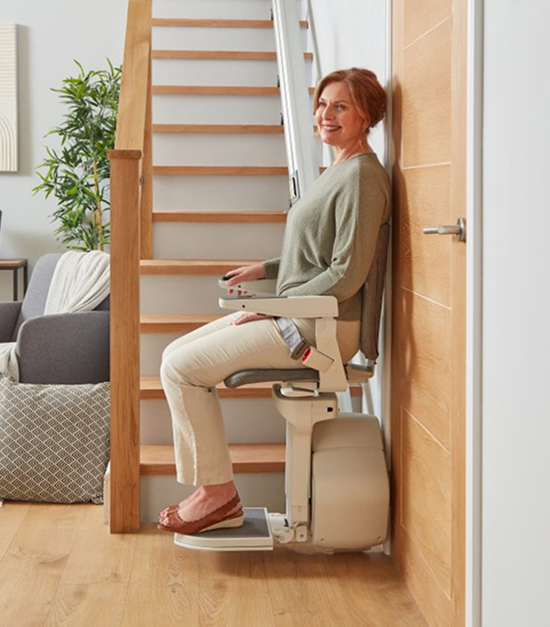
- The Chair and Carriage – the chair is mounted onto a carriage; the unit that moves along the rail. It’s designed to fold away when not in use, so that it doesn’t become an obstruction.
- The Motor and Drive Systems – the motor is what powers the movement of the stairlift up and down the staircase at a comfortable and controlled speed. The drive mechanism is engineered for smooth starts and stops and stability throughout.
- Battery Powers and Charging Points – most modern stairlifts are powered by a battery, meaning they still operate during a power cut, for example. The stairlift will charge when it is parked at the top or bottom of the stairs.
How Does a Stairlift Move Safely Up and Down?
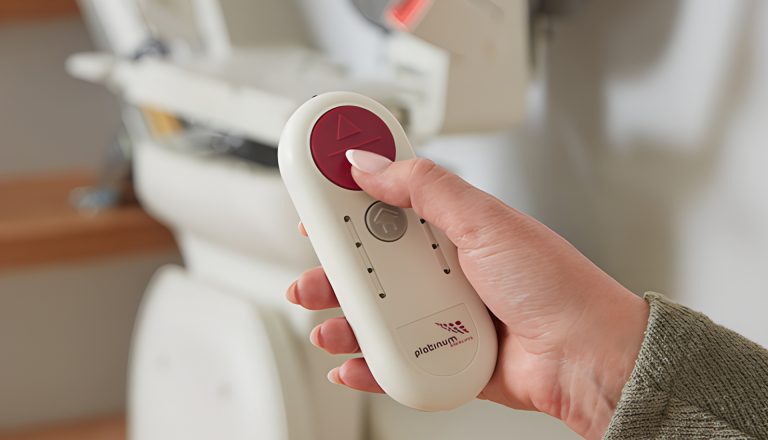
When the control is pressed, either a toggle on the arm rest or a remote control, the stairlift will move along the rail at a steady speed, with a smooth braking system that allows for a comfortable start and stop. A properly installed stairlift should feel secure and absolutely predictable – it should not feel jerky or make any sudden movements.
Built In Stairlift Safety Features to Know About
Most stairlifts include features like a seatbelt (to keep the user stable), safety sensors (to stop the stairlift if something is detected in its path), a swivel seat (to make getting on and off as easy as possible), a foldaway footrest (to reduce obstruction) and a remote control (if another person uses the lift and you need to call it to your end of the stairs). Outdoor stairlifts also include weather proof features.
What Happens During a Stairlift Survey and Installation?
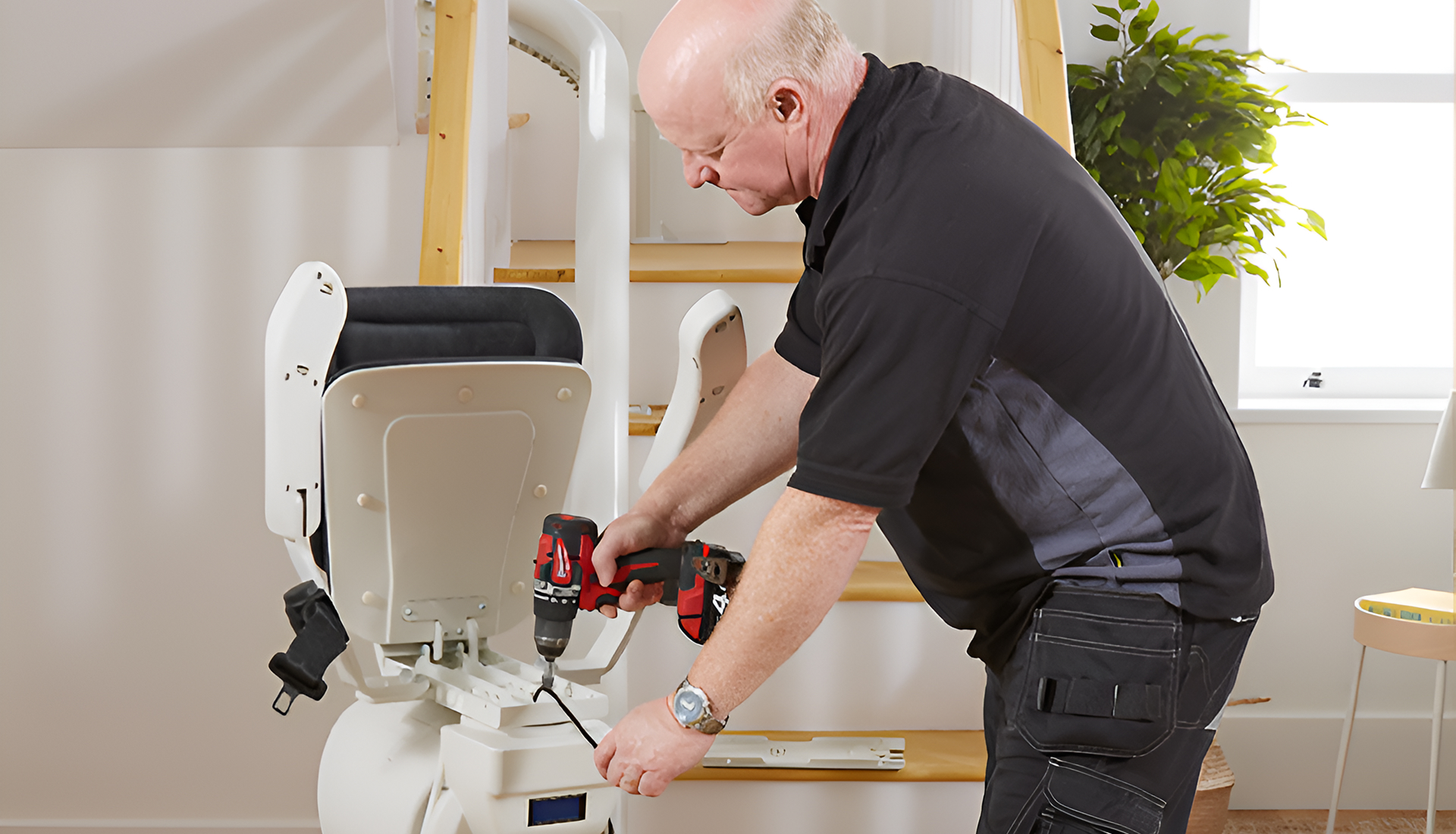
During the process of installing a stairlift, it is common to measure, plan and design the stairlift rail position, before fixing it securely to the stairs. The chair will be fitted and the stairlift will be tested. At Leodis Stairlifts, we’ll demonstrate exactly how to use the stairlift safely. We’ll also confirm our aftercare and support arrangements, so that you’re confident in all aspects of your stairlift, before we leave your home. Our aim is to create as minimal disruption as possible, with a tidily fitted and thoroughly tested stairlift being the final result!
Aftercare: How Stairlifts Stay Reliable
Like any equipment, stairlifts benefit from servicing and good aftercare. A good stairlift provider will advise on battery health and replacement, servicing schedules, callout support, warranty and parts. This matters whether you’re choosing a stairlift in Leeds, stairlifts in Manchester, stairlifts in Newcastle or anywhere else at all – long term reliability is just as important as the initial install.
Leodis Stairlifts is a family-run company with over 30 years of experience. As one of the North of England’s leading independent stairlift providers, we pride ourselves on offering high-quality, affordable solutions. Get in touch today to book your free home survey and together, let’s get the ball rolling on a safe stairlift solution for you or your family member.